Recent Innovations in Remodeling: How to Find the Right Contractor for Your Home Transformation
In the dynamic field of home remodeling, choosing the right contractor has become progressively essential. As trends move towards sustainable materials and advanced technologies, homeowners encounter new challenges. Understanding the qualities that characterize a reliable contractor is essential. Additionally, effective communication can substantially affect the success of a project. What should homeowners prioritize when evaluating potential candidates? Investigating these considerations can lead to a more successful renovation experience.
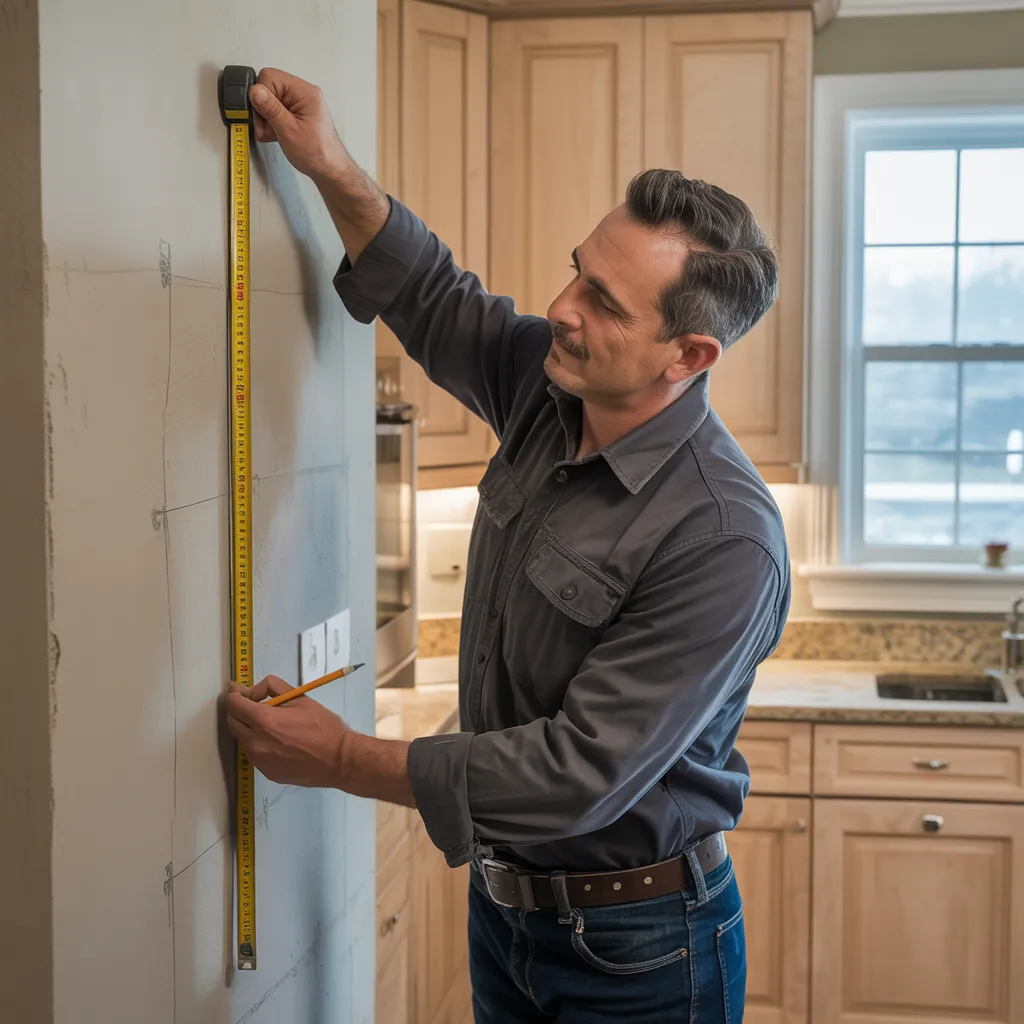
Today's Remodeling Movements to Explore
As property owners progressively look to improve their residential areas, contemporary redesign trends showcase a mix of functionality and aesthetics. One prominent trend is the integration of sustainable materials, as eco-conscious choices grow in acceptance. Homeowners are favoring bamboo flooring, recycled glass countertops, and energy-efficient appliances, advancing both environmental responsibility and stylish designs.
Open-concept arrangements remain trendy, enabling effortless flow between spaces and maximizing natural light. This trend highlights the importance of creating attractive environments where family and friends can gather.
Additionally, smart home technology is becoming a staple, with homeowners implementing automation for lighting, heating, and security systems, enhancing practicality and effectiveness.
Finally, the biophilic design approach, which incorporates natural elements, is growing in popularity, encouraging a connection to nature through houseplants and natural light. These trends highlight a rising desire for homes that combine beauty with practical living, ensuring spaces are not only visually pleasing but also functional.
Key Qualities to Evaluate in a Contractor
Choosing a contractor for a home makeover requires thorough evaluation of multiple key qualities that can substantially impact the outcome of the project. Most importantly, a reputable contractor should possess a valid license and insurance, ensuring compliance with local regulations and delivering protection against potential liabilities. Experience in the exact type of remodeling desired is also vital, as it demonstrates proficiency and familiarity with comparable projects.
Furthermore, a strong portfolio demonstrating previous work reflects a contractor's craftsmanship and style. Excellent client testimonials demonstrate reliability and customer satisfaction, acting as a valuable resource for would-be homeowners. In addition, transparency in pricing and contracts is essential; a trustworthy contractor delivers detailed estimates and is upfront about any potential costs. In conclusion, a commitment to quality materials and workmanship is crucial, as it impacts the longevity and aesthetics of the completed project. These qualities collectively contribute to a successful and satisfactory home transformation.
Communication and Collaboration: Why They Matter
Effective communication and collaboration between homeowners and contractors are essential components that can greatly influence the outcome of a home makeover. A clear exchange of ideas and expectations helps both parties align on the project's vision, timeline, and budget. House owners ought to communicate their preferences and issues while construction specialists must deliver straightforward advice and proposals grounded in their knowledge.
Frequent updates and regular communication promote a teamwork-oriented setting, preventing miscommunication and professional advice strengthening trust. When clients are engaged in the decision-making journey, it frequently produces increased satisfaction with the final outcome. Moreover, a teamwork-based strategy permits contractors to resolve potential obstacles swiftly, guaranteeing the project continues as planned.
Eventually, strong communication and collaboration build a partnership that not only enables a more seamless renovation process but also aids in the successful fulfillment of a homeowner's vision, making it a crucial aspect of finding the right contractor.
Examining Contractor References and Portfolios
Homeowners must take the time to evaluate contractor portfolios and references to verify they are making an informed choice. A contractor's portfolio displays their previous work, offering insight into their style, quality, and experience. Homeowners need to find projects similar to their own and examine the craftsmanship and attention to detail in the photos.
Moreover, speaking with references is essential. Consulting with past clients enables homeowners to determine the contractor's dependability, communication skills, and ability to meet deadlines. It is suggested to ask particular questions regarding the overall experience, problem-solving abilities, and satisfaction with the final results.
Additionally, web-based reviews and ratings can give extra insight about a contractor's reputation. By carefully assessing references and portfolios, homeowners can make a highly sound decision, guaranteeing they select a contractor who corresponds to their vision and requirements for their home improvement project.
Creating a Budget for Your Home Renovation Project
Establishing a realistic budget is essential for any home remodeling project, as it serves as the foundation for decision-making throughout the process. Homeowners should begin by evaluating their financial resources and determining how much they are willing to invest. This includes accounting for all potential costs, such as materials, labor, permits, and unanticipated expenses.
To build a detailed budget, it is advisable to gather numerous estimates from contractors, facilitating comparison and well-informed choices. Homeowners should emphasize their needs against wants, making certain that critical updates are managed within the budget restrictions.
In addition, designating a contingency fund of 10-20% for unanticipated issues can avert financial strain. Routinely assessing and revising the budget as the project advances will enable sustaining financial control. Ultimately, a carefully planned budget not only enables a smoother remodeling experience but also enables you to reach expected outcomes without exceeding financial limits.
Questions & Answers
How Long Does a Remodeling Project Like Mine Take?
A remodeling project's duration varies, typically ranging from a few weeks to several months. Elements including project scope, contractor efficiency, and material availability greatly influence the complete project timeline.
What Permits Are Required for My Remodeling Project?
For a remodeling project, necessary permits typically include building, electrical, plumbing, and zoning permits. Requirements can vary by locality, so it is essential for homeowners to consult their local building department before commencing any renovation.
Can I Live in My Home During Renovations?
Residing in a house while renovations occur is feasible, but may present difficulties. Homeowners should consider safety, noise, and disruptions. Forward planning and interaction with renovation professionals helps secure a better experience while keeping some stability.
What Occurs if I Need to Modify My Design During the Project?
If a property owner needs to modify their design in the middle of the project, it can lead to delays and additional costs. Dialogue with the contractor is necessary to evaluate what's possible and modify plans without jeopardizing the project timeline.
How Do I Handle Unexpected Costs During a Remodel?
To address unexpected costs during remodeling, one should engage in timely communication with the contractor, reevaluate the budget, explore alternative solutions, and preserve flexibility. Planning for contingencies in advance can help mitigate financial strain throughout the project.